Metals
Platinum vs White Gold
One of these is a white metal. The other is a yellowish metal with a white coating on it. Everything else follows from that.
#ad — we earn a commission on qualifying Amazon purchases at no extra cost to you. How this site is funded. Prices are live and shown as of October 5, 2026.
The short answer
Platinum is white metal throughout and must be at least 950 parts per thousand pure to be called “platinum” without qualification under US rules. White gold is gold alloyed pale and then rhodium-plated, so its color is a coating that thins. Platinum is denser, costs substantially more, and never needs re-plating.
What to buy
| # | Pick | Material | Score | Price |
|---|---|---|---|---|
| 1 | 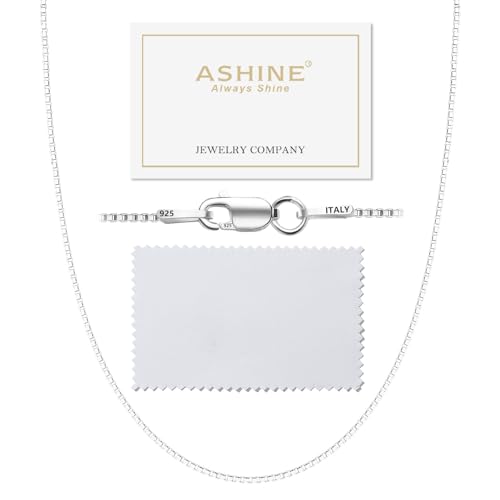 ASHINE 925 Sterling Silver Box Chain Necklace, 1mm Solid 925 sterling: a white metal that is white all the way through, which is the one property platinum is bought for Top pick | 925 sterling silver (92.5% silver, 7.5% other metals - usually copper). Solid metal throughout, not a coating.Best solid white metal | 8.5/10 | |
| 2 | 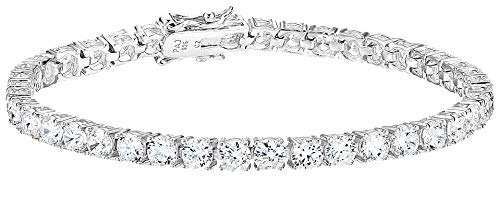 Amazon Essentials Platinum-Plated Sterling Silver CZ Tennis Bracelet, 4mm Platinum-PLATED sterling, and a clean illustration of the point - the plating thins in 2-5 years, the sterling does not | 925 sterling silver with a platinum plating, set with cubic zirconia. The plating is a thin white finish over solid sterling - the sterling is the substance, the platinum is the surface.Best platinum-look bracelet | 7.9/10 | |
| 3 |  Amazon Essentials Platinum-Plated Sterling Silver CZ Stud Earrings The same construction in studs, where a plated finish lasts far longer because lobes barely abrade | Cubic zirconia in platinum-plated 925 sterling silver. CZ is a synthetic stone in its own right - not a fake diamond, a different stone with different properties.Best platinum-look studs | 7.8/10 |
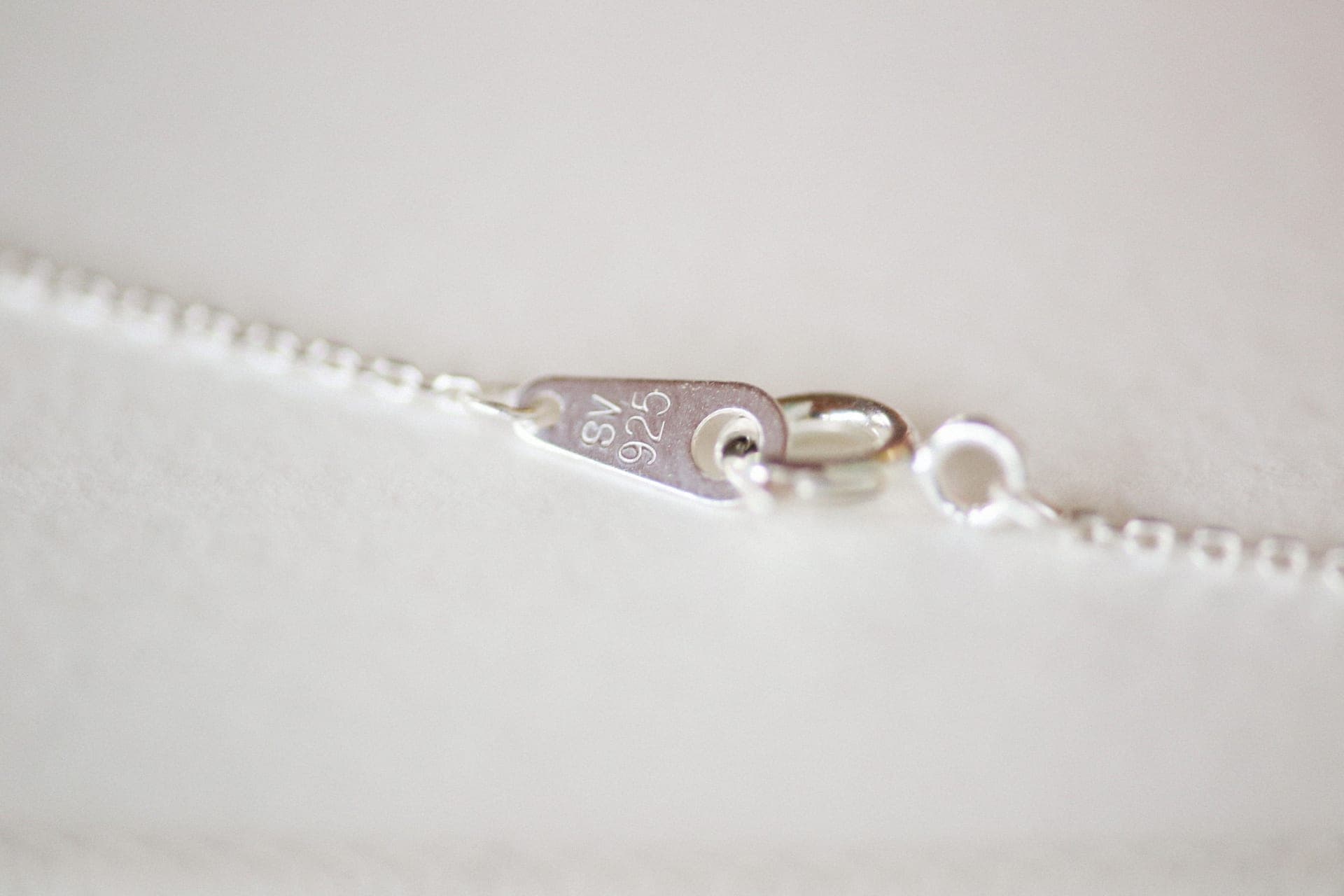
What the word platinum is allowed to mean
Platinum is one of six platinum-group metals - platinum, iridium, palladium, ruthenium, rhodium and osmium - and the FTC Jewelry Guides set out exactly when a piece may be described with the word. The thresholds are specific and worth knowing, because they are far stricter than the ones governing gold:
- To be marked or described as “platinum” without qualification, a product must be 950 parts per thousand pure platinum - 95%.
- A numbered mark is permitted at 850, 900 or 950 parts per thousand: 850Pt, 900Plat, 950Pt and so on.
- Below 500 parts per thousand pure platinum, the word may not be used to mark or describe the product at all.
- A platinum coating may only be described as platinum if it is adequately qualified to indicate the product is coated - and the coating must be of reasonable durability across all significant surfaces.
Compare that to gold, where 14K - the commonest karat sold in the US - is 58.3% gold, and gold-plating can legally be a layer 0.175 microns thick. Platinum's floor for the unqualified word is 95%. It is the strictest purity standard in common jewelry.
The comparison that matters
| Platinum | White gold (14K) | |
|---|---|---|
| Purity to carry the name | 950 parts per thousand | 58.3% gold, alloy unspecified |
| Is it white throughout? | Yes | No - pale yellowish under the plating |
| Surface coating | None | Rhodium, almost always |
| Recurring upkeep | None - polish only | Re-plating every few years |
| Weight on the hand | Noticeably heavier | Lighter |
| How it marks | Scratches displace metal rather than remove it | Scratches remove metal |
| Nickel | Not used in platinum alloys | Sometimes used to whiten the gold |
| Price | Substantially higher per piece | Lower |
Why platinum feels different
The first thing people notice holding the two is weight. Platinum is considerably denser than gold alloy, so an identical ring in platinum is distinctly heavier in the hand. Some people read that as quality and some find it uncomfortable on a finger; it is worth handling before committing.
The second difference is how each metal takes damage. Platinum is relatively soft but very ductile, so a scratch tends to displace metal to the side - building up a surface patina of fine marks - rather than removing it. Polishing re-flattens the surface and almost nothing is lost. White gold with a rhodium surface behaves the opposite way: the hard thin rhodium resists marking while it is there, and once it is through, every polish takes a little gold with it.
Over decades, that is a genuine argument for platinum on a piece worn every single day, typically a wedding band. Over a few years, on a piece worn occasionally, it is close to irrelevant.
Nobody sells platinum at our price tiers - say it plainly
This site covers jewelry in budget tiers up to a few hundred dollars, and there is no solid platinum in our registry. That is not an oversight. Platinum is priced by weight on an open market - the LBMA runs a published platinum benchmark alongside its gold one - and a platinum piece substantial enough to wear simply does not exist at these prices. We have nothing to recommend and will not imply otherwise.
What does exist in the budget tier is platinum-plated sterling silver, and two of the picks on this page are exactly that, named as plated. It is a legitimate construction: a thin bright white finish over solid sterling, where the sterling is the substance and the platinum is the surface. The finish thins at clasps and edges over roughly two to five years of regular wear, after which the sterling underneath shows and tarnishes normally. On studs it lasts much longer, because earlobes barely abrade anything.
The honest hierarchy for someone who wants a white metal, cheapest first: solid stainless steel, solid sterling silver, platinum-plated or rhodium-plated sterling, 14K white gold, platinum. Only the first two and the last are white all the way through.
So which should you buy?
Platinum if this is a once-in-a-lifetime piece worn every day forever, you want zero maintenance on the color, and the budget is there. A platinum wedding band is a genuinely rational purchase and the clearest case for the metal.
White gold if you want the bright white look at a lower entry price and you are willing to pay for re-plating periodically. Ask about the alloy if nickel is a concern - see white gold vs yellow gold.
Solid sterling silver if what you want is a white metal and the gold or platinum budget is not there. It is the honest budget answer and it is solid throughout; the trade-off is tarnish, which is reversible, rather than a coating, which is not. Worked through on sterling silver vs white gold.
Every pick in detail
What each one is actually made of, how long it realistically lasts in that material, who it is for and who should skip it.
1 · Best solid white metal
ASHINE 925 Sterling Silver Box Chain Necklace, 1mm
Solid metal all the way through at $26. Tarnish is a chore, not a failure, and that is the trade sterling asks you to accept.
- What it is
- 925 sterling silver (92.5% silver, 7.5% other metals - usually copper). Solid metal throughout, not a coating.
- Realistic lifespan
- Indefinite as a material. Sterling tarnishes rather than wears away - a dark film you polish off, not a coating that thins. The chain outlives the finish, permanently.
- 1mm box
- 925 sterling
- solid metal
What works
- Solid material - nothing to wear through, ever
- Any tarnish is fully reversible with a cloth
- The 925 stamp is a checkable standard, unlike an unpublished plating thickness
What does not
- Will tarnish, and will tarnish faster on some people than others
- 1mm box chain is delicate for a pendant heavier than a few grams
Skip it if: you will not polish it. Sterling that is never cleaned goes gray and stays gray, and you will end up thinking it was cheap when it was just neglected.
#ad how we make money · price as of October 5, 2026
Best for someone who would rather polish occasionally than replace annually. Score 8.5/10 from published specifications.
2 · Best platinum-look bracelet
Amazon Essentials Platinum-Plated Sterling Silver CZ Tennis Bracelet, 4mm
A real sterling tennis bracelet with a white-metal finish, for the price of a plated-brass one. When the finish goes you still own the silver.
- What it is
- 925 sterling silver with a platinum plating, set with cubic zirconia. The plating is a thin white finish over solid sterling - the sterling is the substance, the platinum is the surface.
- Realistic lifespan
- The sterling is indefinite. The platinum plating is a thin surface layer that thins at the clasp and edges over roughly 2-5 years of regular wear, at which point the sterling beneath shows through and tarnishes normally.
- 4mm CZ
- 925 sterling
- platinum plated
What works
- Sterling underneath means the plating wearing off is cosmetic, not terminal
- Platinum plating resists tarnish while it lasts, which sterling alone does not
What does not
- The plating will eventually wear at the clasp - plan on it
- CZ clouds with wear like all CZ
Skip it if: you expect a permanent white finish. Nothing plated is permanent; solid white gold or platinum is, at fifty times the price.
#ad how we make money · price as of October 5, 2026
Best for the diamond-tennis look with a base material worth keeping. Score 7.9/10 from published specifications.
3 · Best platinum-look studs
Amazon Essentials Platinum-Plated Sterling Silver CZ Stud Earrings
The honest baseline CZ stud. Cheap, sparkly, and it will go slightly milky in a few years - which at this price is fine.
- What it is
- Cubic zirconia in platinum-plated 925 sterling silver. CZ is a synthetic stone in its own right - not a fake diamond, a different stone with different properties.
- Realistic lifespan
- CZ is Mohs 8-8.5 and clouds with surface abrasion over roughly 2-5 years of daily wear. That is CZ working as designed, not failing. The sterling setting is indefinite.
- Mohs 8-8.5
- 925 sterling
- platinum plated
What works
- Sterling settings rather than plated brass
- Cheap enough that the 2-5 year stone life is genuinely acceptable value
What does not
- CZ clouds. Every CZ clouds. Nobody selling CZ mentions this
- Platinum plating on the setting wears at the same time
Skip it if: you want to buy studs once. Moissanite costs several times more and holds its surface for decades - that is the actual trade.
#ad how we make money · price as of October 5, 2026
Best for everyday sparkle you replace every few years without thinking about it. Score 7.8/10 from published specifications.
Common questions
Is platinum better than white gold?
For a piece worn daily forever, yes - it is white throughout, needs no re-plating, and contains no nickel. For a piece worn occasionally, the practical difference is small and the price difference is not. White gold with maintained rhodium looks the same to everyone except you.
How pure does platinum have to be?
To be called “platinum” without qualification in the US, 950 parts per thousand - 95% pure. Numbered marks are allowed at 850, 900 and 950. Below 500 parts per thousand the word cannot be used at all. Those thresholds are set in 16 CFR 23.6.
Does platinum tarnish or need re-plating?
No to both. Platinum does not tarnish and has no coating, so the color you buy is the color it keeps. It does develop a patina of fine surface scratches with wear, which a jeweler polishes out, and unlike plated metals almost nothing is lost in the process.
Can you buy platinum jewelry on a budget?
Not meaningfully. Platinum is priced by weight on an open market and a wearable piece costs multiples of an equivalent gold one. What is sold cheaply is platinum-PLATED sterling silver, which is a thin white surface over solid silver - a reasonable buy as long as the listing calls it plated and you expect the finish to thin.
Sources
Every specification and figure on this page traces to one of these. Where a source does not publish a number, the page says so rather than estimating one.
- 16 CFR 23.6 - Misuse of the words 'platinum', 'iridium', 'palladium', 'ruthenium', 'rhodium' and 'osmium' — Names the six platinum-group metals and sets the thresholds: 950 parts per thousand pure platinum to be called 'platinum' unqualified, 850/900/950 for a numbered mark, and a 500 ppt floor below which the word may not be used at all.
- 16 CFR 23.7 - Disclosure of surface-layer application of rhodium — One sentence long: it is unfair or deceptive to fail to disclose a surface-layer application of rhodium on products marked or described as precious metal.
- 16 CFR 23.3 - Misrepresentation as to gold content (FTC Jewelry Guides) — Defines the gold-plate minimum (0.175 microns), heavy gold electroplate (2.5 microns) and the gold-filled 1/20th-by-weight threshold.
- LBMA precious metal price benchmarks — The LBMA runs separate published benchmarks for gold and for platinum and palladium. Both metals are priced by weight on an open market, which is why neither is the part of a piece of jewelry that goes on sale.
- 16 CFR Part 23 - Guides for the Jewelry, Precious Metals, and Pewter Industries — The full FTC Jewelry Guides, which govern every material claim quoted on this site.
Read next
- White gold vs yellow gold
The same alloy question one tier down, including the nickel problem.
- Sterling silver vs white gold
The budget white metal, and what the price gap actually buys.
- What rhodium plating is
The platinum-group metal doing the work on every white gold piece.
- Sterling silver vs titanium
The other white metal worth comparing, and the cheapest nickel-free one.