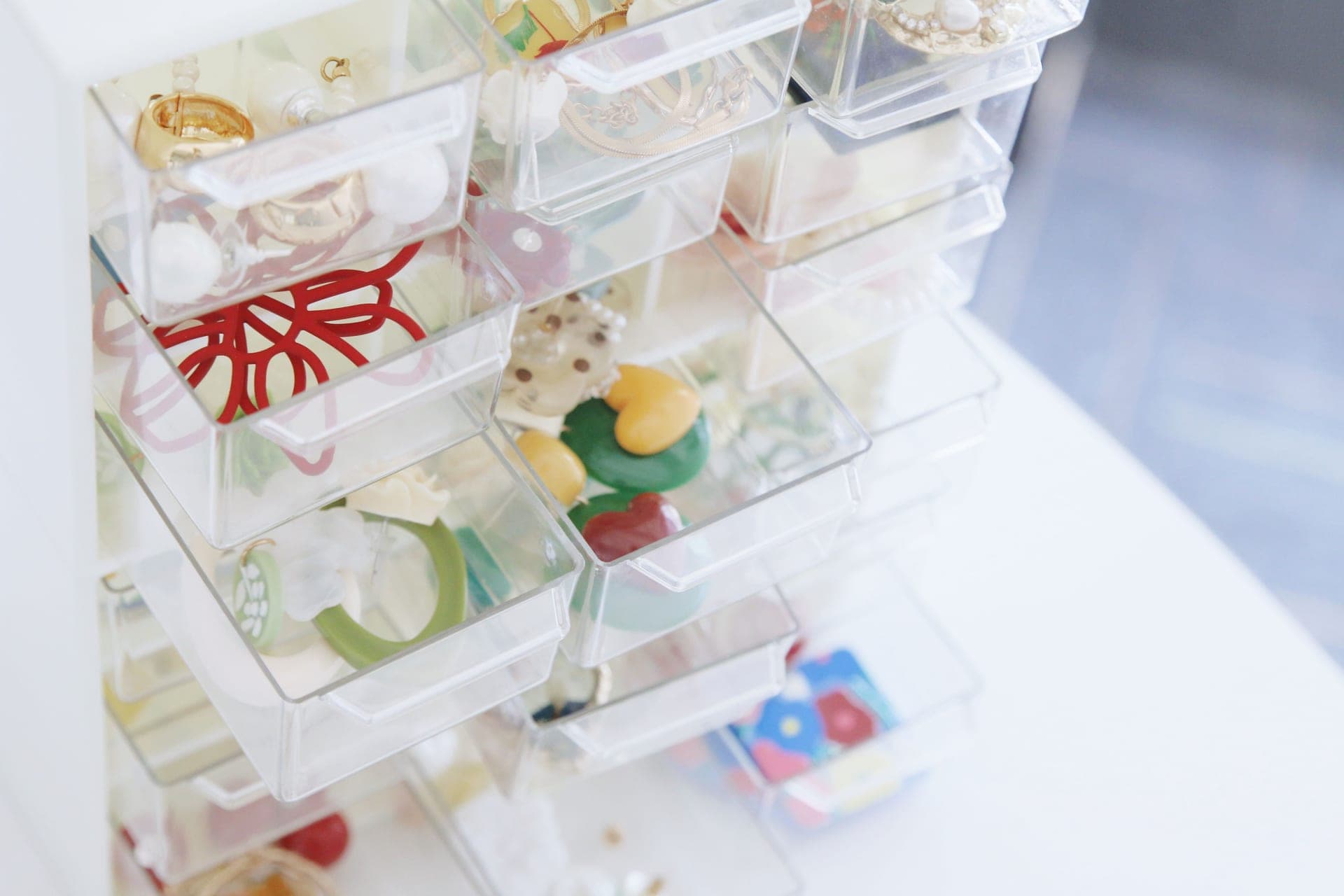
Best jewelry box
Best Jewelry Boxes
Ranked on what storage actually prevents - tarnish, tangling and scratching - not on looks.

Best overall
Miratino 5-Layer Wooden Jewelry Box with Mirror
Care
How to clean each material without destroying it, how to store it so it stops tarnishing, and how to read a jewelry listing for what it is not telling you.
#ad — we earn a commission on qualifying Amazon purchases at no extra cost to you. How this site is funded. Prices are live and shown as of October 23, 2026.
Most jewelry that gets ruined is not ruined by wear. It is ruined by cleaning - the right method applied to the wrong material. An ultrasonic cleaner that makes a diamond ring look new will destroy a pearl. A silver polish that rescues a tarnished sterling chain will strip a plated one down to the brass. A jewelry dip that is perfect for gold will eat an opal.
None of these products carry a warning big enough, and none of the guides tell you which is which. This hub does that first, before it recommends anything.
Solid gold, platinum, diamond, sapphire, moissanite and CZ: warm soapy water and a soft brush handles almost everything. Dips and ultrasonics are faster and are safe on these.
Sterling silver: a treated polishing cloth for routine upkeep, polish cream only when it has genuinely gone dark. Every polish removes a microscopic layer of silver permanently, so the aim is to need it rarely - which means storage, not technique.
Anything plated: a soft dry cloth and nothing else. No polish, no dip, no ultrasonic, no brush. Every one of those removes plating, and plating is measured in millionths of a meter. This is the most commonly ignored rule in jewelry care and it is the reason plated pieces “suddenly” go patchy.
Pearls, opals, turquoise, coral, amber and emerald: a plain damp soft cloth. Nothing else, ever. These are porous or heavily included, and dips and ultrasonics genuinely destroy them.
Silver tarnishes because airborne sulfur compounds reach it. Take away the air and the tarnish essentially stops. Anti-tarnish strips in a closed box cost a few cents each and eliminate most of the polishing you would otherwise do - and since polishing costs you silver, prevention is not just easier, it is cheaper in material terms.
Chains tangle because they are stored horizontally. Hang them, and the problem does not occur. Rings scratch because they share a dish. Separate them, and they do not. Almost all avoidable jewelry damage is a storage problem wearing a cleaning problem’s clothes.
The most useful page in this hub is not about cleaning at all. It is about how to read a jewelry listing - which claims are legally meaningful (“gold-filled”, “925”, a named ASTM grade), which are marketing with no definition behind them (“hypoallergenic”, “non-tarnish”, “18K gold tone”), and what a seller declining to state a base metal is actually telling you. No competitor covers this, because brands will not and retailer-funded publishers are disinclined to.
20 pages. Where a page ranks products, its current top pick and live price are shown here so you do not have to click through to find out what we recommend.
Best jewelry box
Ranked on what storage actually prevents - tarnish, tangling and scratching - not on looks.
Best overall
Miratino 5-Layer Wooden Jewelry Box with Mirror
Best jewelry cleaner
Ranked with an explicit do-not-use list for each - the wrong cleaner ruins more jewelry than wear does.

Safest and best first buy
Connoisseurs Extra Large Polishing Cloth, 14x14in
Best jewelry organizer
Hanging storage is the only reliable fix for tangling - plus the humidity trap nobody warns about.

Best overall
ProCase Stackable Jewelry Drawer Inserts, 4 Layers
Best silver care buy
Step by step, plus the reason to do it as rarely as possible: polish removes silver permanently.
Best first step
Connoisseurs Extra Large Polishing Cloth, 14x14in
Best gold care buy
Warm soapy water and a soft brush handles almost everything - plus what changes for gold-filled.
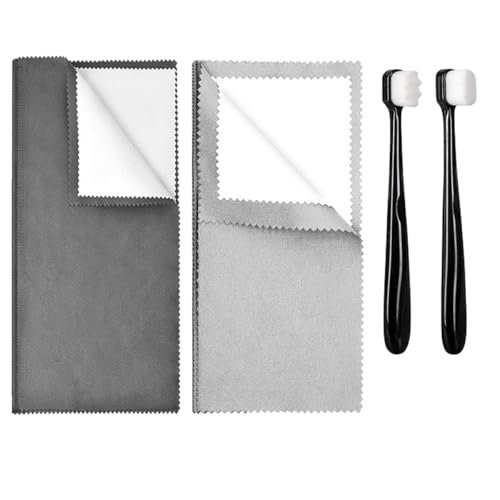
Best kit
Syyflibb Jewelry Cleaning Cloth and Ultra-Soft Brush Set
Best safe cleaning cloth
One safe method, and a list of the common ones that remove the coating you are trying to keep.
Best cloth
Connoisseurs Extra Large Polishing Cloth, 14x14in
Best chain cleaning kit
Dirt lives between links where cloths cannot reach. The method that gets it out safely.
Best tool
Syyflibb Jewelry Cleaning Cloth and Ultra-Soft Brush Set

Best no-green-skin pick
Copper reacting with sweat - harmless, but a reliable signal about what the piece is made of.

Best steel option
Monily Stainless Steel Cuban Link Chain, 3mm
Best verified-gold pick
The hallmark, magnet and density checks that work - and the popular tests that are myths.

Best verified solid gold
Belacqua 1/2 Carat Lab-Grown Diamond Stud Earrings, 14K Yellow Gold
Best verified gold pick
The surface is real gold either way. What you can establish at home, and what needs a jeweler.

Best labeled gold-filled
Kooljewelry 14k Gold Filled Cable Chain Necklace
Best honestly-listed pick
Which listing claims are legally defined, which are empty marketing, and what a missing spec tells you.
Best honest listing
Kooljewelry 14k Gold Filled Cable Chain Necklace
Best anti-tarnish buy
Tarnish is a reaction with airborne sulfur, so storage prevents it where cleaning only reverses it.

Best anti-tarnish buy
Rosenthal Collection Anti-Tarnish Strips, 100 Tabs
Best shower-safe chain
A verdict per material for the pieces you already own, and the two that should never get wet.
Best shower-safe chain
Monily Stainless Steel Cuban Link Chain, 3mm
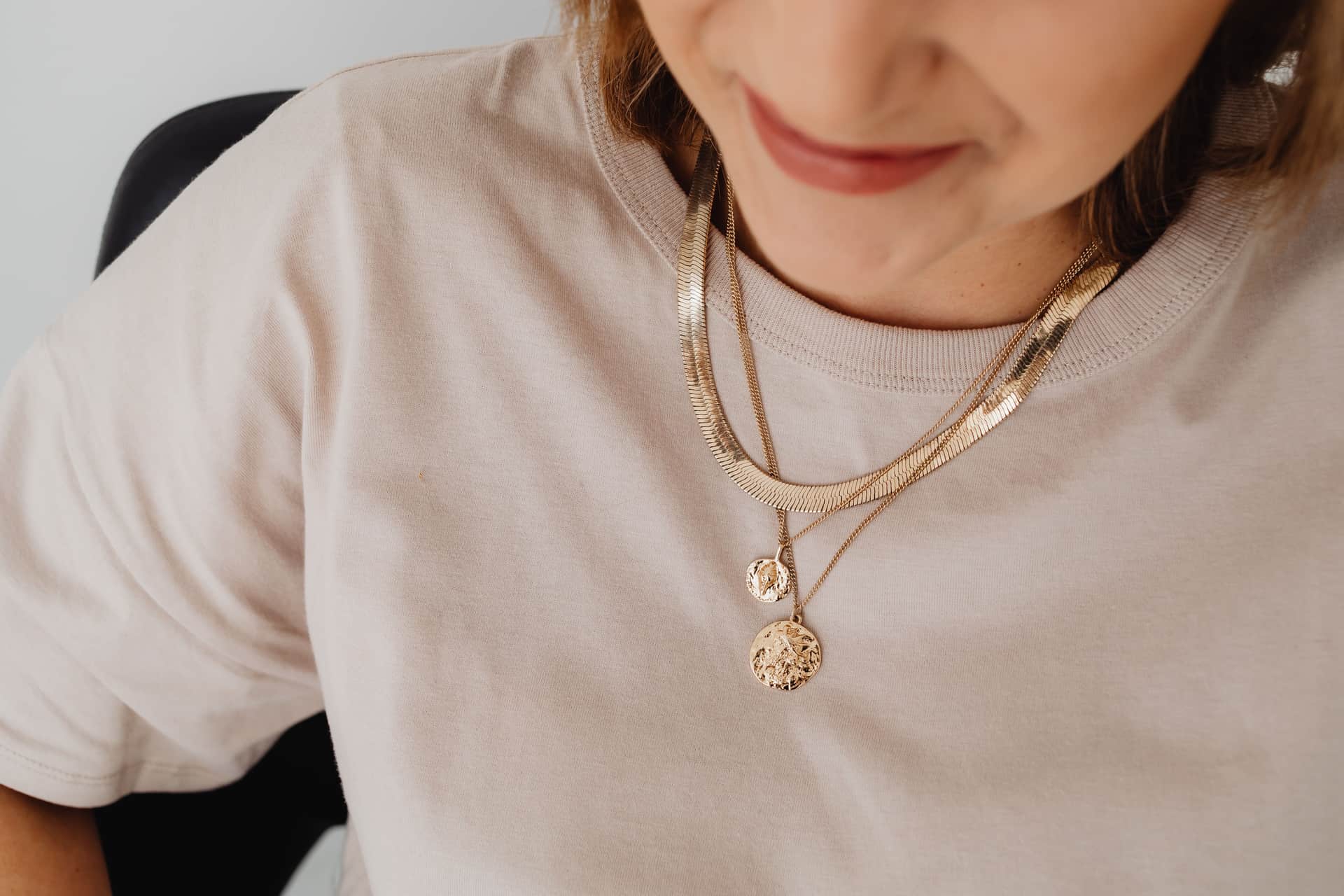
Best chain for the middle of a stack
The 2-inch length rule, which chain styles can take friction, and the storage habit that keeps a stack untangled.
Best base chain
Kooljewelry 14k Gold Filled Cable Chain Necklace

Best titanium cleaning kit
Soap, water and a soft brush - plus the one thing that permanently strips anodized titanium color.
Best tool for the job
Syyflibb Jewelry Cleaning Cloth and Ultra-Soft Brush Set
Best steel cleaning pick
Why steel goes dull without tarnishing, the five-minute fix, and the plated-steel exception.

Best deep clean
OSLTWI 48kHz Ultrasonic Jewelry Cleaner Machine
Best gold-filled cleaner
Gold-filled cannot tarnish - but it dulls, and it can wear through. How to tell which has happened to yours.
Best everyday fix
Connoisseurs Extra Large Polishing Cloth, 14x14in
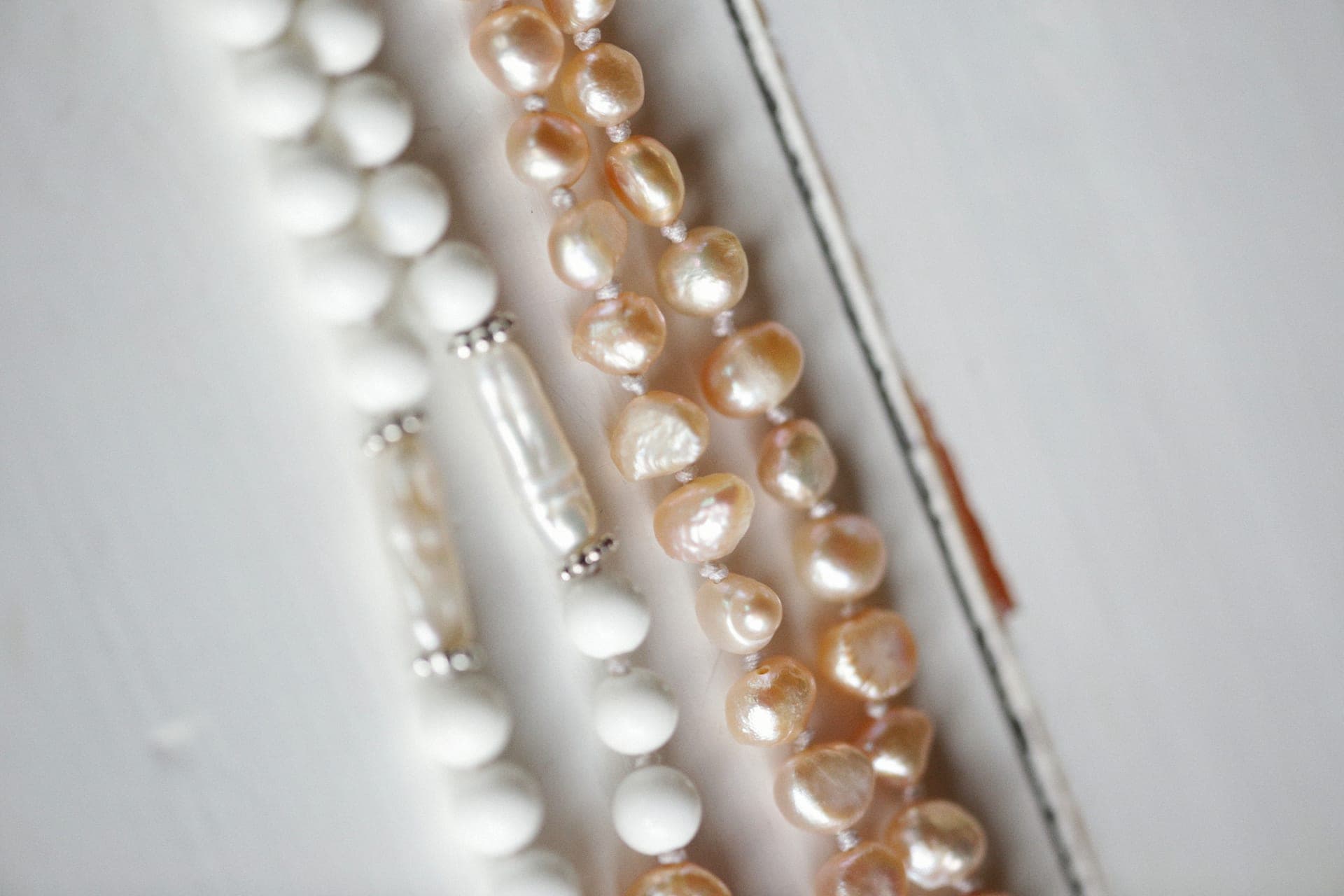
Best pearl-safe cloth
The damp-cloth method, the acids that dissolve nacre, and how to clean a knotted strand without stretching the silk.
Best everyday tool
Connoisseurs Extra Large Polishing Cloth, 14x14in
Best cloth for gold-filled
Warm water, mild soap, a soft cloth - and the four products that take gold off a gold-filled piece for good.
Best cloth for gold-filled
Connoisseurs Extra Large Polishing Cloth, 14x14in
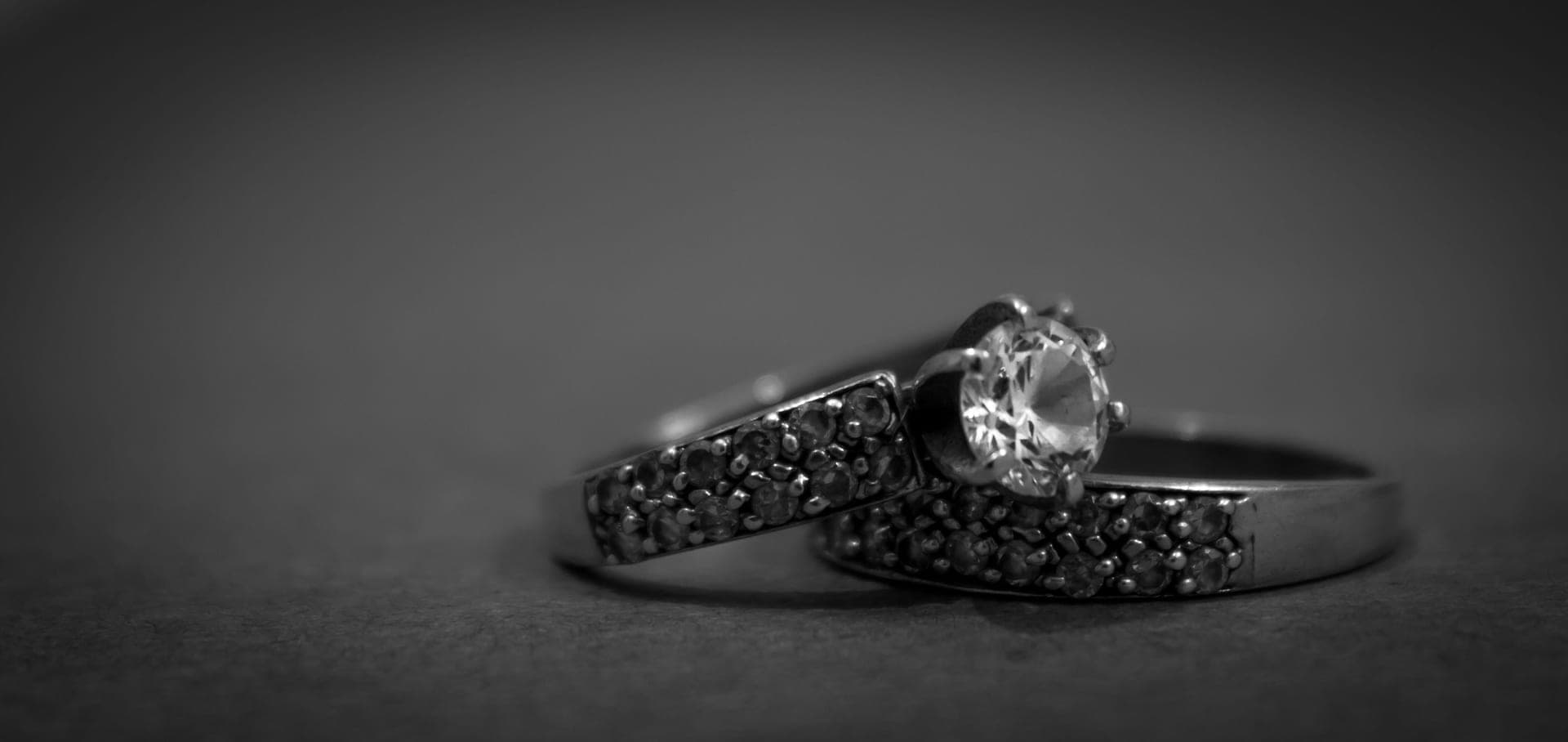
Best brush set for moissanite
A Mohs 9.25 stone in a softer setting: the safe method, the ultrasonic answer, and why fire fades.
Best brush set
Syyflibb Jewelry Cleaning Cloth and Ultra-Soft Brush Set
Every page in this hub links back to the material or stone explanation that justifies its recommendations, so you can check any claim one click away rather than trusting it. If you would rather see how the scoring works first, read the methodology.