Best lab-grown pick
Lab Grown vs Natural Diamonds
Chemically identical stones at very different prices. The only real difference is resale.

Best lab-grown studs
Belacqua 1/2 Carat Lab-Grown Diamond Stud Earrings, 14K Yellow Gold
Stones
Lab-grown against natural, moissanite against diamond, and cubic zirconia without the sneering - compared on the one thing that decides how long they stay bright.
#ad — we earn a commission on qualifying Amazon purchases at no extra cost to you. How this site is funded. Prices are live and shown as of October 23, 2026.
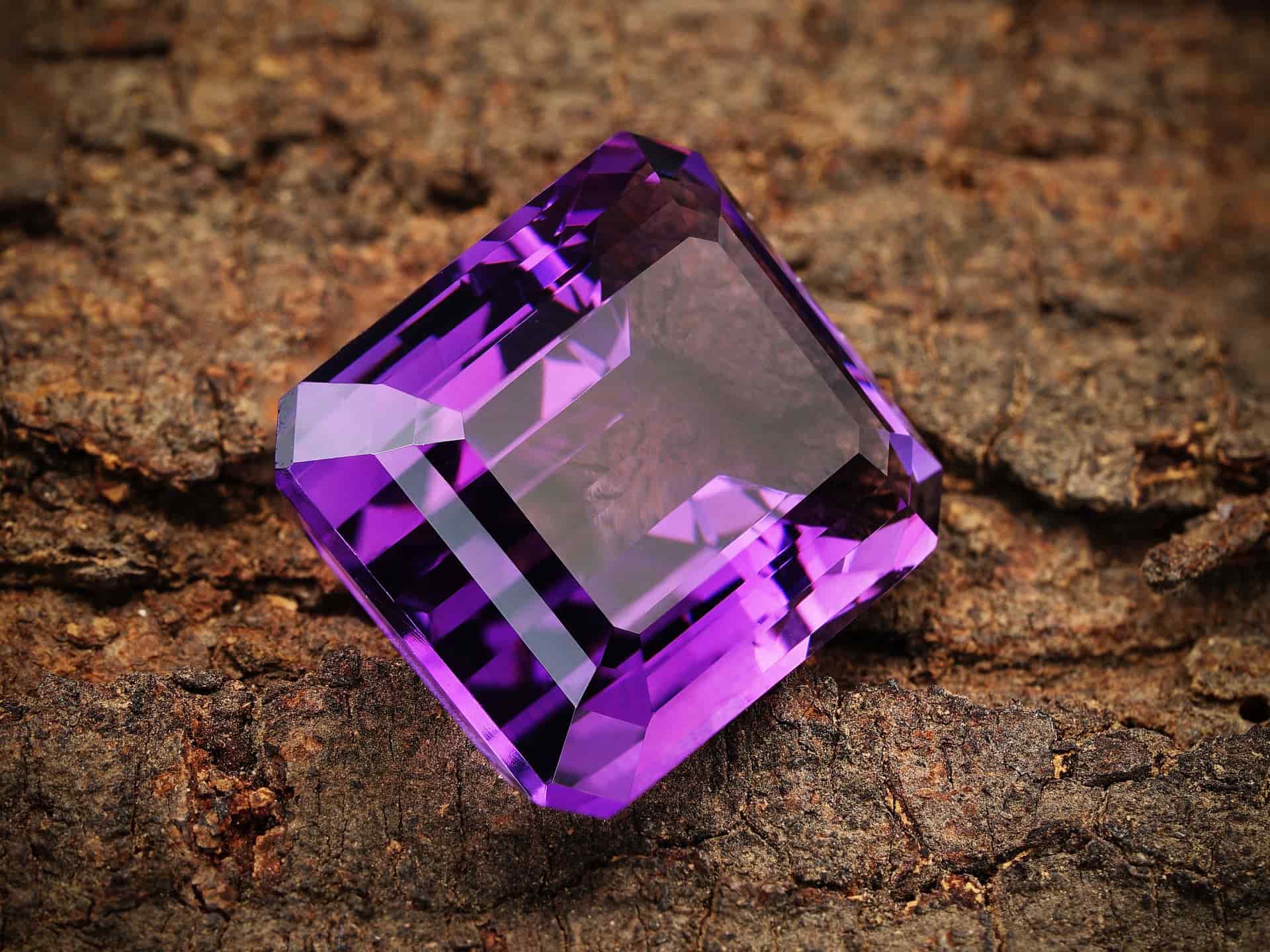
Stone shopping has a snobbery problem. The industry sorts stones into “real” and “fake” and stops there, which is both unhelpful and, in the case of lab-grown diamonds, factually wrong. A lab-grown diamond is a diamond: same carbon, same crystal structure, same hardness, indistinguishable without equipment. Cubic zirconia is not a failed diamond; it is a different mineral with different properties and a different price.
The useful sorting is not real versus fake. It is how long does it stay bright, and that is a hardness question with a published answer.
On the Mohs scale, diamond (mined or lab-grown) is 10. Moissanite is 9.25. Sapphire, including created white sapphire, is 9. Cubic zirconia is 8 to 8.5. Pearl is 2.5 to 4.5.
Those numbers look close together and are not: Mohs is ordinal, not linear, and the gap between 8.5 and 10 is enormous in practice. Everyday dust contains quartz at Mohs 7, which is why CZ develops a fine surface haze after a few years of daily wear while a diamond in the next setting looks untouched. Nobody selling CZ mentions this. It is not a defect and it is not a scandal - it is the material behaving exactly as its hardness predicts, and at CZ prices it can be a completely rational purchase. You simply need to know it is coming.
Lab-grown diamond prices have fallen steeply and continue to. That makes them excellent value to wear and poor value to hold: the secondary market is thin and the trend is down. Natural diamonds hold value better and cost several times more up front. Moissanite sits between: durable, brighter than diamond in the colored-fire sense, and with essentially no resale market.
If the purchase is about wearing something beautiful, the cheapest hard stone wins on the arithmetic. If the purchase is about storing value, jewelry is a poor instrument in general, and we would rather say so than sell you a story.
Pearls are organic, soft and chemically vulnerable in a way no other stone here is. Perfume, hairspray, sweat and jewelry-cleaning dip all attack nacre. The rule that actually matters - pearls on last, off first, and never in an ultrasonic cleaner - is worth more than any buying advice we could give you about size or lustre.
We have not examined any of these stones. Everything here comes from published hardness data, standard gemological references and manufacturer specifications, cited on each page. Where a seller uses diamond grading language for a non-diamond stone - “D color VVS1 moissanite” is a common example - we flag it as marketing convention rather than a like-for-like grade, because that is what it is.
15 pages. Where a page ranks products, its current top pick and live price are shown here so you do not have to click through to find out what we recommend.
Best lab-grown pick
Chemically identical stones at very different prices. The only real difference is resale.
Best lab-grown studs
Belacqua 1/2 Carat Lab-Grown Diamond Stud Earrings, 14K Yellow Gold
Best lab-grown value
Why lab-grown prices keep falling, what that means for buyers, and where the savings are best spent.
Best value lab-grown
Belacqua 1/2 Carat Lab-Grown Diamond Stud Earrings, 14K Yellow Gold
Best moissanite pick
Mohs 9.25 vs 10, more fire, far less money. The differences are real and none of them are about quality.

Best moissanite studs
Moissanite Stud Earrings, 2.0ct D Color Equivalent, GRA Certified
Best value hard stone
Both made in a lab, both permanent. One is an actual diamond; the other is cheaper with more fire.
Best lab-grown
Belacqua 1/2 Carat Lab-Grown Diamond Stud Earrings, 14K Yellow Gold
Best CZ pick
Nearly identical on day one. The difference shows up at year three, and it is a hardness number.

Best CZ studs
Amazon Essentials Platinum-Plated Sterling Silver CZ Stud Earrings
Best long-life stone
Moissanite stays bright for decades; CZ hazes in a few years. The price gap buys real lifespan.
Best moissanite
Moissanite Stud Earrings, 2.0ct D Color Equivalent, GRA Certified
Best budget hard stone
Created sapphire is harder than CZ at the same price - but noticeably less sparkly. A real trade.

Best white sapphire
Jewelili Sterling Silver Created White Sapphire Halo Ring
Best overall alternative
Moissanite, CZ, created sapphire and lab-grown diamond on one table, ranked by hardness.
Best overall
Belacqua 1/2 Carat Lab-Grown Diamond Stud Earrings, 14K Yellow Gold
Best-cut pick
Cut, color, clarity and carat - ranked by how much each actually changes what you see.
Best studs
Belacqua 1/2 Carat Lab-Grown Diamond Stud Earrings, 14K Yellow Gold
Best birthstone pick
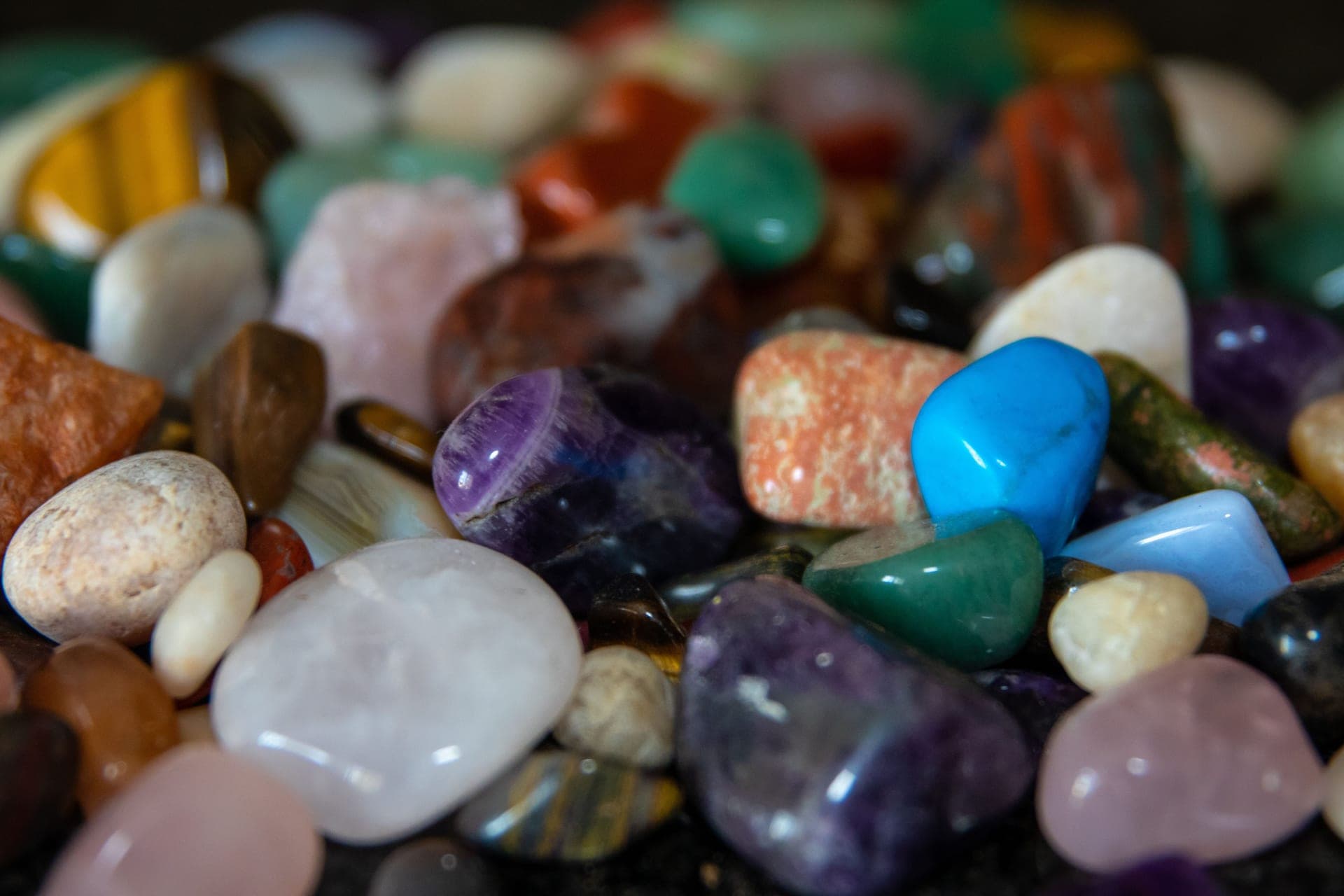
The full month-by-month chart with hardness for each - because several are too soft for daily wear.

Best birthstone earrings
ChicSilver 925 Sterling Silver Square Birthstone Stud Earrings
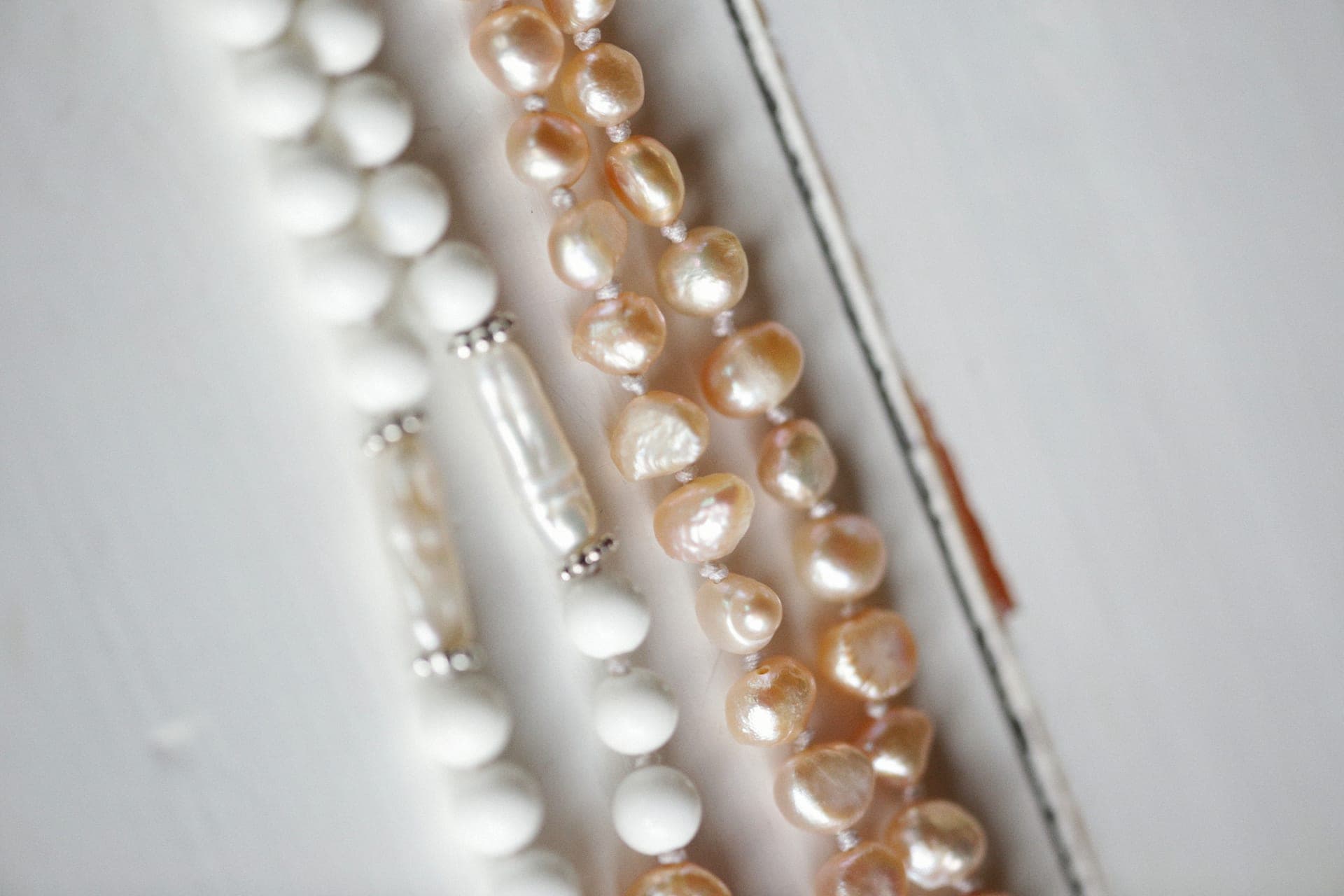
Best pearl pick
Cultured, natural and imitation pearls - what each is, how to tell, and why care matters most.

Best value pearls
White Freshwater Cultured Pearl Stud Earrings, 6mm
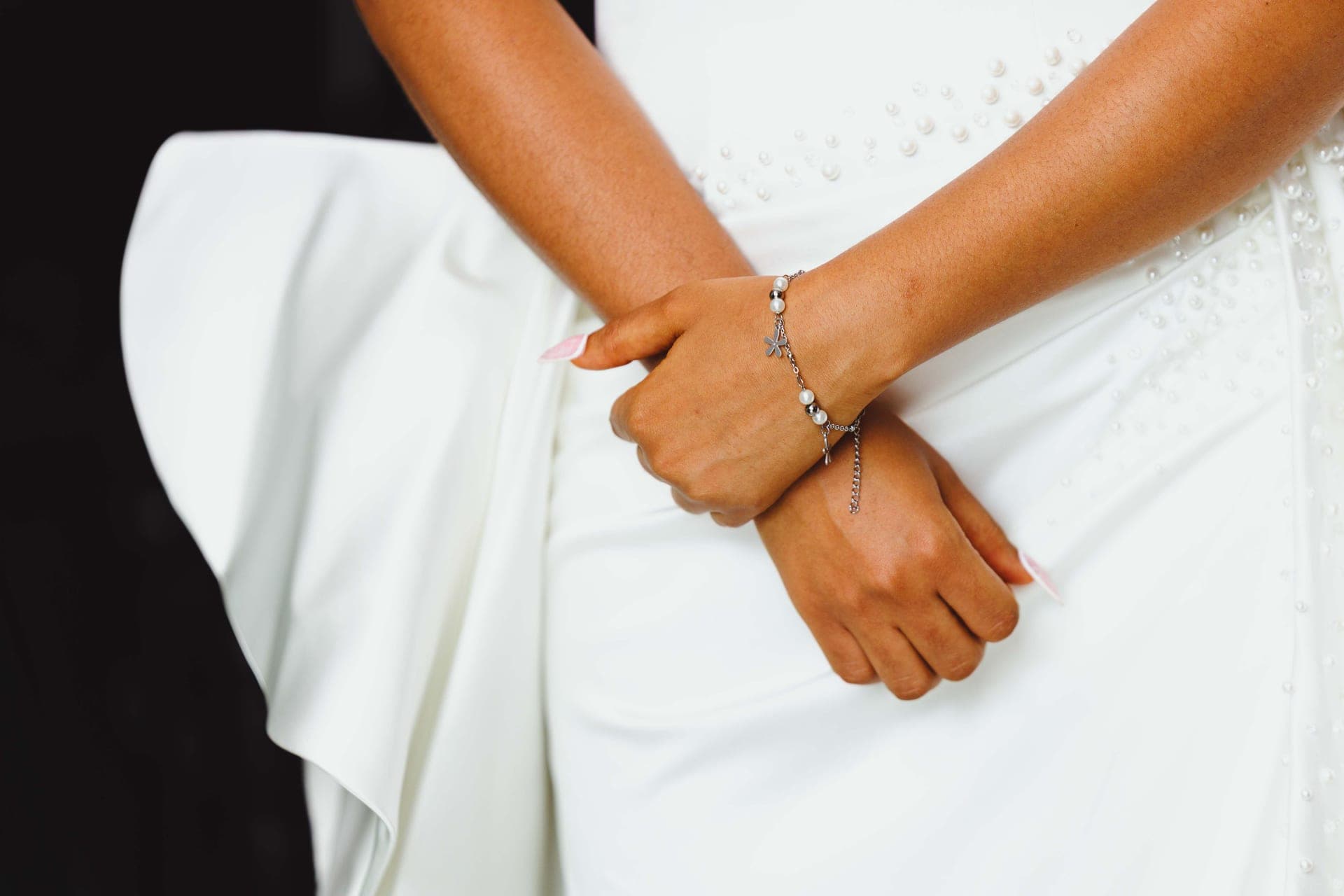
Best wedding pearls
Ranked pearl picks for bridal parties, with metals named and the hairspray problem addressed.

Best overall
Cultured Freshwater Pearl Gold-Filled Drop Earrings, 9-10mm
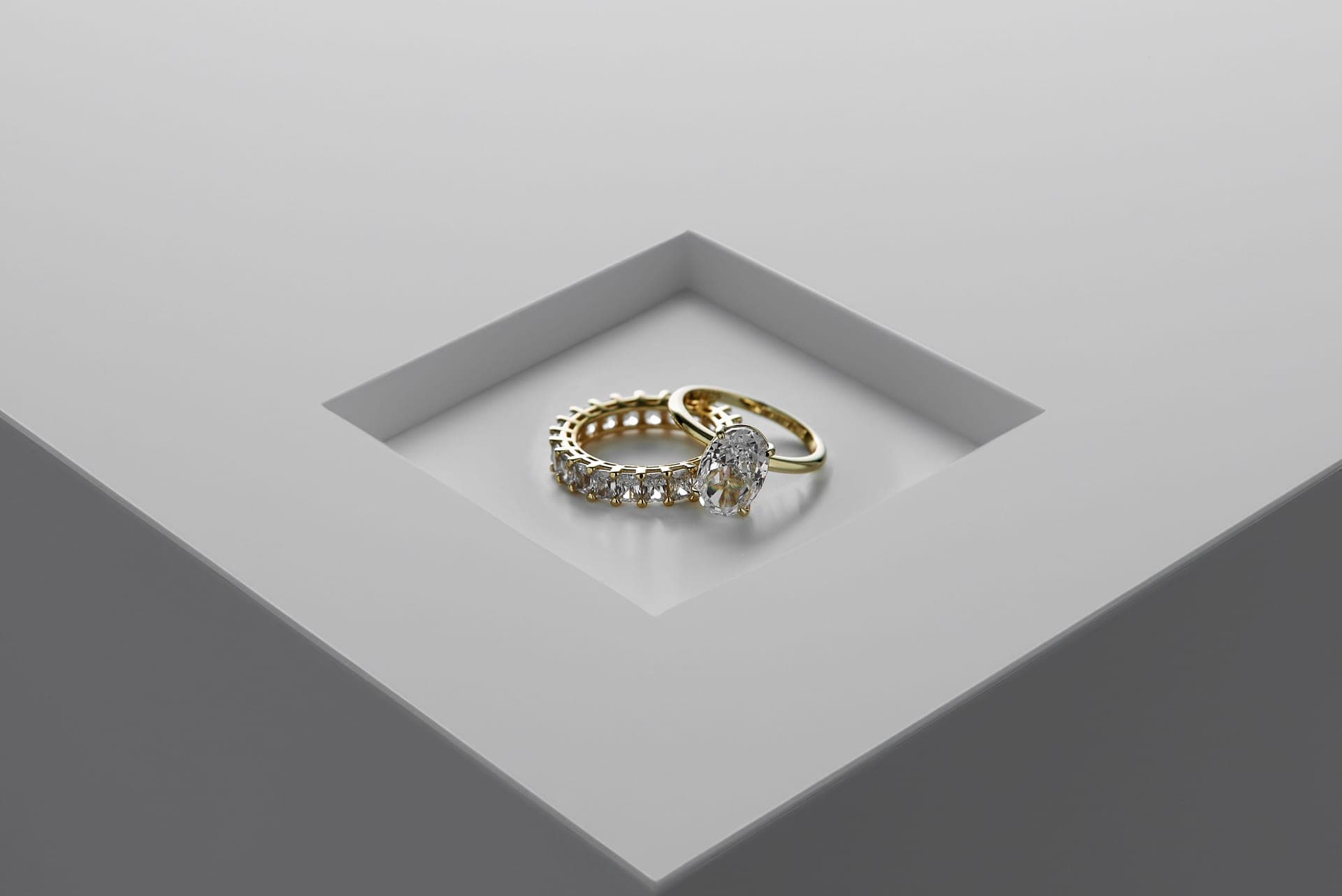
Best-set pick
Prong, bezel, channel, pave and tension compared on the only thing that matters: keeping the stone.
Best setting metal
Belacqua 1/2 Carat Lab-Grown Diamond Stud Earrings, 14K Yellow Gold
Best cost-per-carat pick
Cost per carat, why the setting dominates the price at this tier, and the ten-year cost of ownership for each stone.
Best moissanite value
Moissanite Stud Earrings, 2.0ct D Color Equivalent, GRA Certified
Best hard diamond alternative
The two durable diamond alternatives compared on hardness, fire and price - and why one of them is far quieter than people expect.

Best moissanite ring
POMODA 1.5ct Moissanite Solitaire Ring, D Color VVS1, 925 Silver
Every page in this hub links back to the material or stone explanation that justifies its recommendations, so you can check any claim one click away rather than trusting it. If you would rather see how the scoring works first, read the methodology.